Refurbishment & Heritage
What to keep when renovating a Victorian villa in St John’s Wood
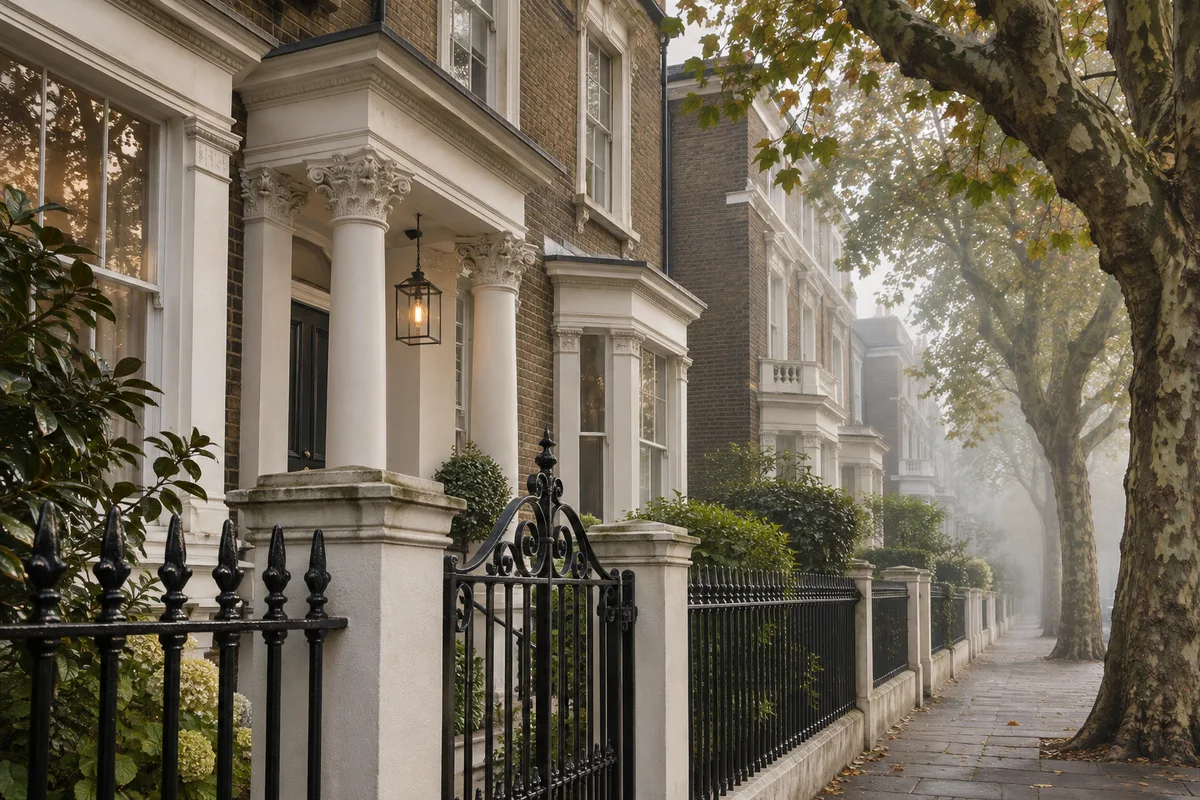
The character of a Victorian villa often lies in the relationship between its parts. The height of a sash window, the depth of a skirting and the way a staircase turns all shape how the house feels. Start the refurbishment by recording those details, then decide where they are worth keeping, repairing or adapting.
Record the original fabric before drawing the new layout
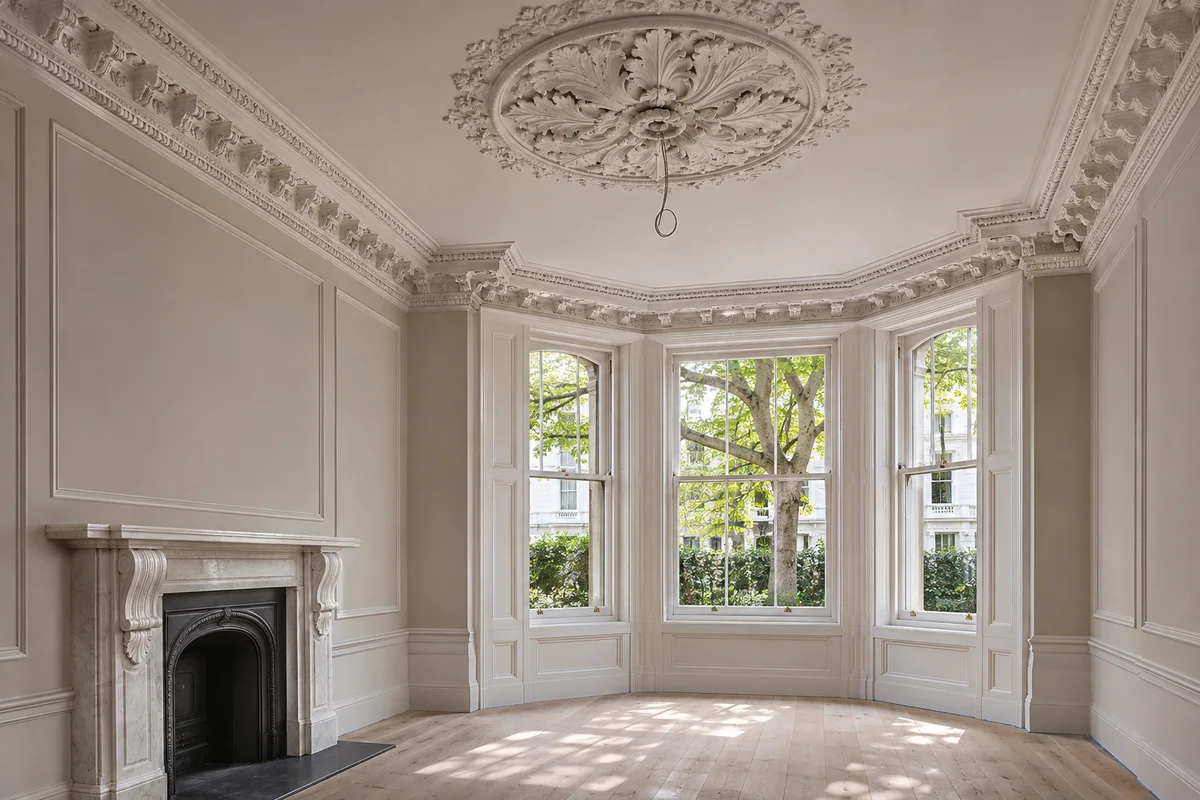
Walk through the house with the architect and photograph doors, frames, cornices, fireplaces, floorboards and stair parts. Note what appears original, what was added later and what is damaged. A room-by-room record gives the team something to refer to when drawings change or contractors begin opening up the building.
Think about the spaces between the details as well. A door that looks unremarkable by itself might align with other openings along the hall. A later wall may obscure an older room proportion that is worth recovering. The St John’s Wood Conservation Area Audit gives context for local villa forms and their contribution to the neighbourhood.
Assess sash windows for repair before replacement
Ask a specialist to look at the whole window, including the frame, cill, cords and glass. An uncomfortable room may owe more to draughts around a poorly fitting sash than to the glass alone. Repair and draught-proofing can improve comfort while retaining joinery that is difficult to reproduce. Secondary glazing may suit some rooms where the frame and shutters allow it.
If a window has deteriorated badly, record the profiles, glazing bars and opening pattern before specifying what replaces it. Historic England recommends retaining significant historic windows where feasible. Check applicable approvals before changing their appearance or fabric.
Treat plasterwork and timber as part of the construction sequence
Protect details that will remain before structural work or stripping out starts. Where a short section of cornice is missing, a surviving section can provide a pattern for matching repairs. Number door leaves or reusable boards if they need to come out temporarily, and agree how they will be stored. These decisions affect the work from the first day on site.
- Record existing moulding profiles before ordering new joinery or plasterwork.
- Set routes for lighting, ventilation and heating early enough to avoid damaging retained details.
- Ask for a sample repair where texture, sheen or colour will meet an original finish.
Give modern interventions a clear reason to be there
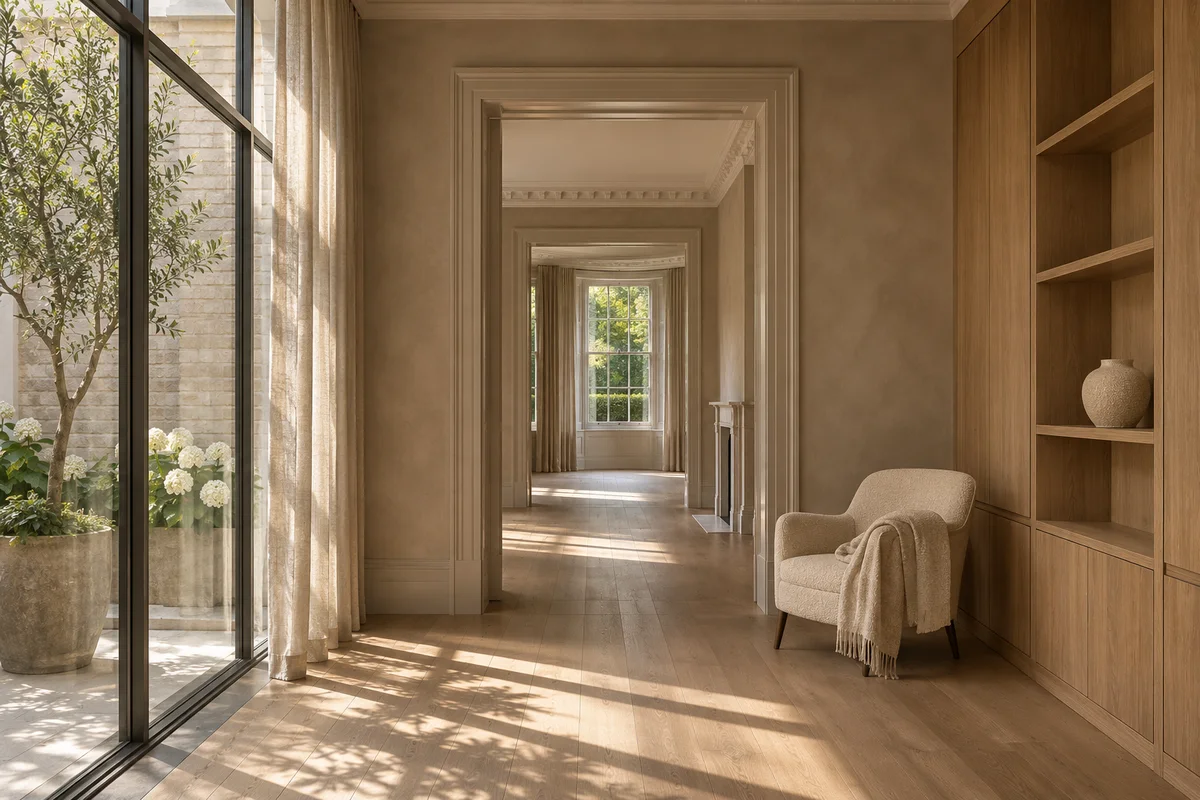
A villa can accommodate contemporary services, a new kitchen or a more open garden elevation while keeping its principal rooms and features legible. Decide where you want old and new to meet, and draw those junctions carefully. On a listed house, involve the conservation adviser early so that proposed interventions and their impact can be considered together.
Official guidance
Considering work in NW8?